
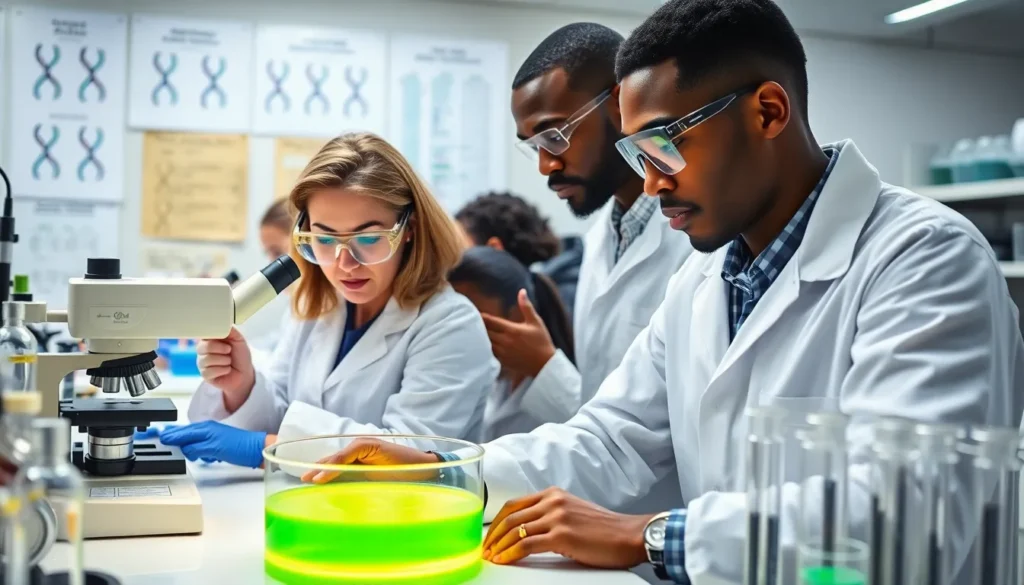
Biotech advancements are reshaping the landscape of medicine, agriculture, and environmental sustainability. With rapid innovations in genetic engineering, synthetic biology, and personalized medicine, the potential to improve human health and the planet has never been greater. These breakthroughs not only enhance the efficiency of traditional practices but also open doors to new solutions for pressing global challenges.
As researchers and companies push the boundaries of what’s possible, the impact of biotechnology becomes increasingly evident. From CRISPR technology revolutionizing gene editing to biopharmaceuticals transforming treatment options, the future looks promising. Exploring these advancements reveals a world where science and technology converge to create life-changing solutions for millions.
Overview of Biotech Advancements
Biotechnology advancements are significantly reshaping multiple sectors, particularly medicine, agriculture, and environmental management. Innovations in genetic engineering, synthetic biology, and personalized medicine drive these changes.
Genetic Engineering
Genetic engineering techniques enable precise modifications of organisms. CRISPR technology stands out, allowing targeted edits to DNA sequences. Applications include disease resistance in crops and gene therapies for genetic disorders in humans.
Synthetic Biology
Synthetic biology revolves around designing and constructing new biological parts. This discipline helps create organisms with tailored functions. Examples include engineered bacteria that produce biofuels and microbes that can detoxify environmental pollutants.
Personalized Medicine
Personalized medicine focuses on individualized treatment plans based on genetic and phenotypic information. By analyzing a patient’s unique genetics, healthcare providers can offer targeted therapies that enhance treatment efficacy. This approach has led to breakthroughs in cancer treatment and chronic disease management.
Biopharmaceuticals
Biopharmaceuticals, produced using biological processes, represent a significant leap in drug development. These products include monoclonal antibodies and therapeutic proteins that treat various diseases. Their development often reduces side effects and improves patient outcomes compared to traditional pharmaceuticals.
Environmental Sustainability
Biotech advancements also play a crucial role in environmental sustainability. Bioremediation techniques use organisms to clean up contaminated environments. Sustainable agriculture practices incorporate genetically modified organisms to increase yield while minimizing environmental impact.
Biotechnology continues to evolve, merging scientific discoveries with technological innovations. This evolution promises to tackle pressing global issues, fostering a healthier and more sustainable future.
Recent Innovations in Genetic Engineering
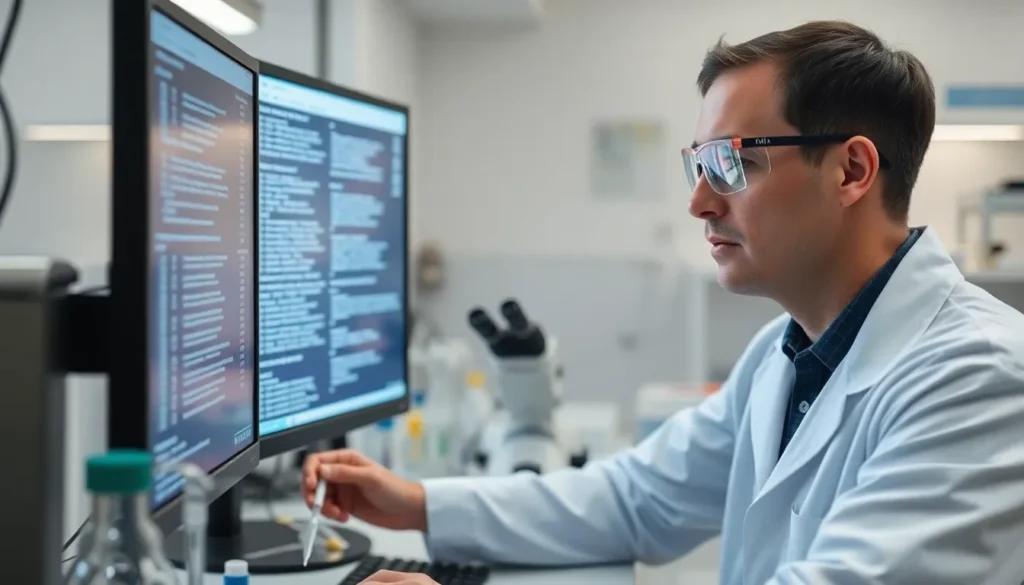
Recent advancements in genetic engineering highlight significant progress in the field, particularly in CRISPR technology and gene therapy breakthroughs. These innovations offer transformative potential across various applications, from agriculture to medicine.
CRISPR Technology
CRISPR technology enables precise editing of genetic material, revolutionizing how scientists approach genetic modifications. This tool allows for targeted alterations to DNA, facilitating the development of disease-resistant crops, improved livestock, and novel gene therapies. According to the National Institutes of Health, CRISPR is being utilized in clinical trials to treat genetic disorders such as sickle cell anemia and muscular dystrophy. With its efficiency and accuracy, CRISPR technology streamlines genetic engineering processes, making it a preferred choice in both research and commercial applications.
Gene Therapy Breakthroughs
Gene therapy has made significant strides, particularly with the introduction of new delivery methods and vectors. Advances in techniques like adeno-associated virus (AAV) vectors enhance the effective transport of therapeutic genes into patient cells. For instance, recent studies show that AAV vectors have led to successful treatments for inherited retinal diseases and certain types of hemophilia. Increased precision in targeting specific tissues or cells mitigates off-target effects, addressing previous concerns about safety and efficacy. As the FDA continues to approve new gene therapies, the potential for treating conditions that were once deemed untreatable expands rapidly.
Biotech Advancements in Agriculture
Biotechnology significantly enhances agricultural practices, enabling increased efficiency and sustainability through innovative techniques. These advancements address the challenges of food security and environmental sustainability.
Genetically Modified Organisms (GMOs)
Genetically modified organisms (GMOs) represent a crucial advancement in agricultural biotechnology. GMOs undergo genetic engineering to introduce desirable traits such as pest resistance, herbicide tolerance, and improved nutritional content. For example, Bt corn produces a bacterial protein toxic to specific pests, reducing the need for chemical pesticides. The United States leads in GMO crop production, with approximately 90% of soybeans and cotton planted being genetically modified. Studies indicate that GMOs contribute to enhanced yields, reduced farming costs, and lower environmental impacts. Regulatory bodies, including the Environmental Protection Agency (EPA) and the USDA, oversee GMO safety, ensuring they meet rigorous standards before commercial release.
Sustainable Farming Practices
Sustainable farming practices benefit greatly from biotechnological advancements, promoting ecological balance while maximizing agricultural output. Techniques such as precision agriculture employ biotech tools to optimize resource use, minimizing waste and environmental harm. For instance, soil sensors monitor moisture levels, allowing farmers to apply water more efficiently. Biotechnology also aids in developing crops that are resistant to climate stresses, such as drought and extreme temperatures, ensuring food security amid changing conditions. Additionally, biofertilizers enhance soil health by enriching nutrients and promoting beneficial microorganism growth, leading to improved crop performance. These practices contribute to long-term agricultural sustainability while reducing reliance on synthetic inputs.
Applications in Medicine
Biotechnology plays a crucial role in modern medicine, transforming treatment approaches through innovations and tailored therapies.
Personalized Medicine
Personalized medicine leverages genetic information to create individualized treatment plans. This approach enhances efficacy, especially for complex diseases like cancer. Targeted therapies, based on specific genetic mutations, allow for treatments that minimize side effects. For instance, medications such as trastuzumab target HER2-positive breast cancer cells, significantly improving patient outcomes. Advances in genomic profiling enable clinicians to assess the best therapeutic options, ensuring precision in healthcare delivery.
Regenerative Medicine
Regenerative medicine focuses on repairing or replacing damaged tissues and organs, offering solutions to previously incurable conditions. Stem cell therapy and tissue engineering are key components, promoting the regeneration of heart, nerve, and cartilage tissues. For example, clinical applications of induced pluripotent stem cells (iPSCs) hold promise for treating conditions like Parkinson’s disease and spinal cord injuries. Innovations in scaffold materials and bioprinting techniques further enhance the development of functional tissues, paving the way for regenerative therapies that advance healing processes and improve quality of life.
Impact on Environment and Sustainability
Biotechnology significantly influences environmental sustainability through diverse applications. Innovations such as bioremediation utilize microorganisms to clean contaminated soil and water. This technique effectively addresses pollution, restoring ecosystems without harmful chemicals.
Agricultural practices increasingly rely on biotechnology for sustainable solutions. Genetically modified organisms (GMOs) reduce the reliance on chemical inputs, promoting ecological balance. GMOs exhibit traits like pest resistance and drought tolerance. For instance, Bt corn expresses a natural insecticide, diminishing pesticide use and increasing yields, thus lowering environmental impacts.
Precision agriculture technologies optimize resource use and maximize crop productivity. Techniques such as soil sensors and drone monitoring provide data-driven insights, enhancing water management and fertilizer application. These practices contribute to reduced waste, promoting natural resource conservation.
Advancements in developing climate-resilient crops play a vital role in food security. Biotechnological innovations enable crops to withstand extreme weather events, ensuring stable harvests despite changing climate conditions. These crops support agricultural sustainability while meeting the growing food demands of a global population.
Additionally, biotechnology fosters alternative energy production through biofuels. Engineered organisms convert biomass into renewable energy sources, mitigating reliance on fossil fuels. This transition contributes to lower greenhouse gas emissions, supporting climate change mitigation efforts.
Overall, biotechnology’s applications significantly enhance environmental sustainability and address pressing ecological challenges.
Biotechnology stands at the forefront of innovation with its profound implications for health and the environment. As advancements in genetic engineering and synthetic biology continue to unfold, they’re setting new standards in medicine and agriculture. The integration of personalized medicine and regenerative therapies is reshaping patient care while sustainable practices in farming are paving the way for a greener future.
These breakthroughs not only promise improved health outcomes but also ensure food security and ecological balance. With ongoing research and development, biotechnology is positioned to address some of the world’s most pressing challenges, driving progress toward a healthier and more sustainable planet. The future of biotechnology holds immense potential, making it an exciting field to watch.


